Declaring Digital Currency and Crypto Gains on Your Tax Return

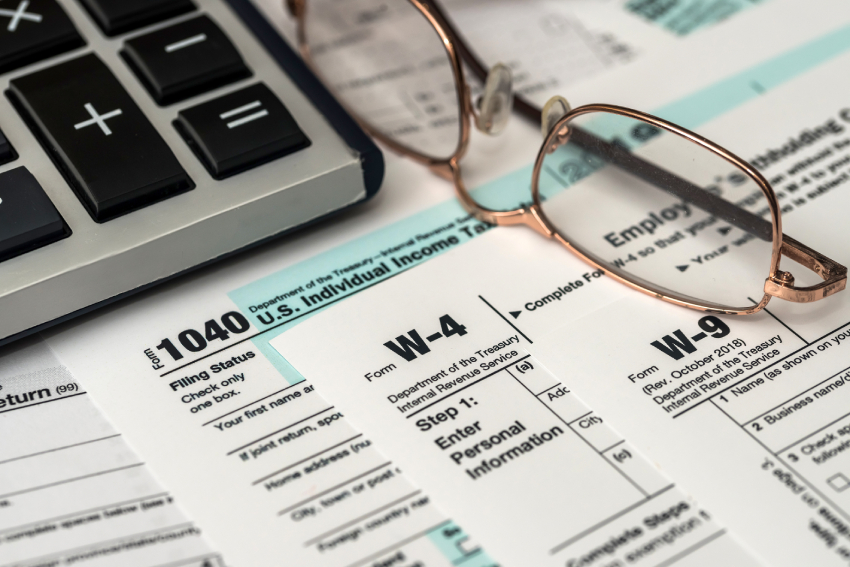
As the world of digital currency and cryptocurrency continues to grow, it's essential to understand the tax implications of your investments. If you've received gains from digital currencies, you need to declare these on your tax return. HMRC requires that any gains or income from digital currencies be declared on your tax return. This includes cryptocurrencies like Bitcoin, Ethereum, and other digital assets. Failing to declare these gains can result in penalties and interest charges.

2026-05-26T06:56:12+00:00May 14, 2025|General|

Get Ready for Your 2024/2025 Self-Assessment

Did you know we can already prepare and calculate your tax liability for 2024/2025? This makes it easier to plan what you will be paying to HMRC in July 2025 as part of the prepayment, and then in January 2026 as the final payment.

We always start with our retainer client self-assessment returns first, but if you are ready to send us your information, please do. We love being prepared and getting the dreaded 'tax' out of the way!

2025-04-09T19:15:00+00:00April 9, 2025|General|

Making Tax Digital for Self-Assessment: What You Need to Know and Questions and Answers

The UK government is rolling out a significant change in the way self-assessment tax returns are filed, known as Making Tax Digital (MTD). This initiative [...]

2026-05-26T06:56:22+00:00February 26, 2025|General|

Understanding the New HMRC Policy on PAYE P87 Employment Expenses

Recently, HMRC issued a new policy paper detailing the evidence required to claim PAYE (P87) employment expenses. This change is crucial for anyone looking to claim tax relief on employment expenses (like home office expenses, insurance or memberships etc), and I am here to help you navigate these new requirements. From 14 October 2024, HMRC will require all taxpayers who wish to claim PAYE employment expenses to use a P87 form and provide supporting evidence to prove their eligibility before the claim can be processed.

2026-05-26T06:56:25+00:00November 6, 2024|General|

Why You Need to Disclose Digital Wallets and Crypto Accounts in Your Self-Assessment

With the growing popularity of cryptocurrencies, it's crucial to understand how these assets are treated by HM Revenue and Customs (HMRC) and why you need to disclose them in your yearly self-assessment. HMRC requires that any income or gains from crypto assets, including digital wallets and crypto accounts, be disclosed in your self-assessment tax return. This includes exchange tokens (such as Bitcoin), non-fungible tokens (NFTs), and utility tokens.

2024-10-20T10:19:11+00:00October 20, 2024|General|

HMRC Considerations When Moving Away From the UK

If you are leaving the UK to live in another country, you need to notify HMRC about your change in residency status. You must fill out Form P85 ("Leaving the UK – getting your tax right") to inform HMRC about your departure. This helps them determine your tax residency status and handle your tax affairs correctly. The form asks for details like your departure date, whether you're leaving the UK permanently or temporarily, and information about your income.

2026-05-26T06:56:31+00:00October 17, 2024|General|

Deregistering for VAT: Key Considerations for Businesses with Reduced Turnover

If your business turnover falls below the VAT deregistration threshold, it may be time to consider deregistering for VAT. Deregistration can simplify your accounting processes and reduce administrative burdens. A business that no longer makes taxable supplies must notify HMRC within 30 days. In this case, the business ceases to be a taxable entity and must submit a request to deregister. If you don’t let HMRC know you are no longer making taxable supplies, you can get a penalty.

2024-10-09T20:56:00+00:00October 9, 2024|General|

Electric Cars and Limited Company – What You Need To Know

I have had a few requests lately for advice on purchasing an electric car as a limited company and I thought I’d do a blog about it to help our clients understand. Historically, buying a car through your limited company was a NO NO, because of the additional benefit in kind tax that you will have to pay on the personal use element.

2024-08-19T14:54:00+00:00August 19, 2024|General|
Go to Top